
Sunday, 30 December 2012

Saturday, 29 December 2012

Friday, 28 December 2012
Risk assessment
Attention should always be given in a way that helps to execute tasks with an acceptable degree of safety. We have thus listed some of the factors that we have to bear in mind whilst we are going about filming.
We've also come up with solutions on how to tackle those situations.

Monday, 17 December 2012
Editing the music video so far
 We ran into a slight problem where it turned out that the camera was filming a much wider vantage point than expected, thus we saw more than we wanted to. There was a picture on the wall, and you could see a hanger sticking out of the side. Fortunately, we were able to crop out the rest of the screen.
Thursday, 13 December 2012
Props, costumes, settings
We finally did some filming that would be included in our first draft of a music video.
Here are some of the costumes that we will use:


Note that my trousers do not seem to go with the rest of what I am wearing. This is because we do not intend to have my legs visible in the shots we were intending to film. Practicality recommended that I keep on what I had already.
It was decided that we needed at least one plain background for me to lipsync to, so the back of this room (the plain blue wall) would've done the job.

Note the toys on the floor and on the table.
We considered the following things:
Here are some of the costumes that we will use:


Note that my trousers do not seem to go with the rest of what I am wearing. This is because we do not intend to have my legs visible in the shots we were intending to film. Practicality recommended that I keep on what I had already.
It was decided that we needed at least one plain background for me to lipsync to, so the back of this room (the plain blue wall) would've done the job.

Note the toys on the floor and on the table.
We considered the following things:
- The upbeat nature of our song (despite what, at first, appear to be gloomy lyrics)
- The lack of an archetypal music video budget
- The need for a video that was sure to catch the eye of a new audience
- The band were not very popular; thus the objective was to create something particularly eye-catching and not cliche
We thus decided to perhaps utilize some of the toys, and perhaps generate a simulacrum of how a stereotypical break-up would be presented. The eye-catching part though, would be that this simulacrum would be re-enacted with toys.
Monday, 10 December 2012
Wallwisher
We have created a wallwisher - a different way of outlining what we have found out so far. This concerns things such as audience feedback, and the things which viewers could comment on such as our video drafts.
Tuesday, 4 December 2012

Practice run at filming
Here is our first attempt at filming.
We didn't have much time and thus did not have much in the way of shots. However it has outlined things we will need to keep in mind during the actual filming of our song.
For example, we may need to utilise a monopod, which keeps the camera relatively still without the use of a steadicam, as they are not in the school's budget. The camera work is a bit shakey.
In addition to this we may need to move items around to create an appropriate mis en scene. We did initially move some items off the table and turn on the lights to help create a fun, bubbly atmosphere. However in hindsight we may need to move more things around.
We didn't have much time and thus did not have much in the way of shots. However it has outlined things we will need to keep in mind during the actual filming of our song.
For example, we may need to utilise a monopod, which keeps the camera relatively still without the use of a steadicam, as they are not in the school's budget. The camera work is a bit shakey.
In addition to this we may need to move items around to create an appropriate mis en scene. We did initially move some items off the table and turn on the lights to help create a fun, bubbly atmosphere. However in hindsight we may need to move more things around.
Saturday, 1 December 2012

Friday, 30 November 2012
Shot list
Here is a list of the possible shots which we plan to take, and a vague outline of the content of them.


Wednesday, 28 November 2012
Risk Assessment
Part of our planning phase included an assessment of possible precautions we would need to take to prepare for risks.
We'd do this via predicting risks, and then analysing what we could do to lower them to an acceptable level.
We'd do this via predicting risks, and then analysing what we could do to lower them to an acceptable level.

Monday, 26 November 2012
More detailed research into artist
It has been hard to do more detailed research on The Colours; they didn't really hit mainstream back in 2010, so there aren't many sources that talk about them, besides their website.
Here are some of the promotional pictures they have used:


They had made other previous releases, classed as Extended Plays (EPs). These are multiple songs, but there aren't enough of them to be able to class the songs as an album.

Here are some of the promotional pictures they have used:

They had made other previous releases, classed as Extended Plays (EPs). These are multiple songs, but there aren't enough of them to be able to class the songs as an album.

Thursday, 22 November 2012

Tuesday, 20 November 2012
Treatment for music video
The band have not made much of a stir as of recently, with their last tour having been in 2010.
Searching for their music videos which they have made, there appear to be none. This leaves us open in our options, such as what image we want to convey, how to get across our unique selling point, and how we want to compare ourselves to our competitors.
Luckily, there aren't many popular bands that have a similar sound to The Colours. This is a huge gap in the market, and their unique sound is potentially one of their stronger unique selling points. The lack of competition also means that getting well known will make them a dominant force in the industry.
Upon reviewing of some of their videos on YouTube, their main demographic appears to be young females in their teens (and slightly older), as well as some teen males.

The song's lyrics seem, on the surface, to be putting a sad atmosphere out there. However the beat, melody, and rhythm contradict this. That is why for the video, we decided to opt for a cheery atmosphere.
Shots of a band playing instruments and lipsyncing will be interjected throughout the video (as with almost every music video). In addition to this, there will be a narrative.


Searching for their music videos which they have made, there appear to be none. This leaves us open in our options, such as what image we want to convey, how to get across our unique selling point, and how we want to compare ourselves to our competitors.
Luckily, there aren't many popular bands that have a similar sound to The Colours. This is a huge gap in the market, and their unique sound is potentially one of their stronger unique selling points. The lack of competition also means that getting well known will make them a dominant force in the industry.
Upon reviewing of some of their videos on YouTube, their main demographic appears to be young females in their teens (and slightly older), as well as some teen males.

The song's lyrics seem, on the surface, to be putting a sad atmosphere out there. However the beat, melody, and rhythm contradict this. That is why for the video, we decided to opt for a cheery atmosphere.
Shots of a band playing instruments and lipsyncing will be interjected throughout the video (as with almost every music video). In addition to this, there will be a narrative.
The narrative is, in simple terms, a few lads getting ready to hit a party (something a young audience could relate to). But first, they rendevouz at the house of a friend.
It starts off with the hero (who will be lipsyncing in the band) getting out of the shower and getting dressed, to get ready for a night out. The first thing he does as he arrives to his room is turn on his iPod/radio/some sort of musical device, following the stereotype of a geeky teenager, for comic effect. Upon his doing this, the music starts playing. He will be walking in his room with nothing but a towel on, and will grab a hairbrush, starting to sing to it whilst occasionally combing his hair, again following a stereotype that the target audience might be able to relate to. For example:


After approximately half a minute his friends will arrive at the door and ring the doorbell. The doorbell ringing will be heard, and the music will temporarily stop for this, and the next scene. The hero will come downstairs and greet his friends, and then go back upstairs under the pretense that he needs to get changed (as he does need to), with the intention of lipsyncing during this.
However, when he goes up, the friends downstairs hear loud thumping from upstairs - it is evident that the protagonist is prancing around in his bedroom. The music then resumes with the hero trying on many different outfits, whilst still lipsyncing. This is an idea that I have borrowed from Taylor Swift's video, You Belong With Me, which has a similar demographic of young females, and teenagers in general.
We will the cut to a shot of him downstairs with his friends, as they all prepare with drinks, of Sunny D (or some other non-alcoholic, juice-like product) - again for comic effect. All the while the hero is singing at the friends.
The friends note that this behaviour is unusual for the protagonist, and they are visibly displeased with their friends' erratic dancing and singing.
The song then ends as the friends leave, whilst the hero has just finished his number.
There will then be a few seconds left to the video where the hero gives chase to his friends, who have already gone some distance down the road.
Saturday, 17 November 2012
Magazine Advert Analysis
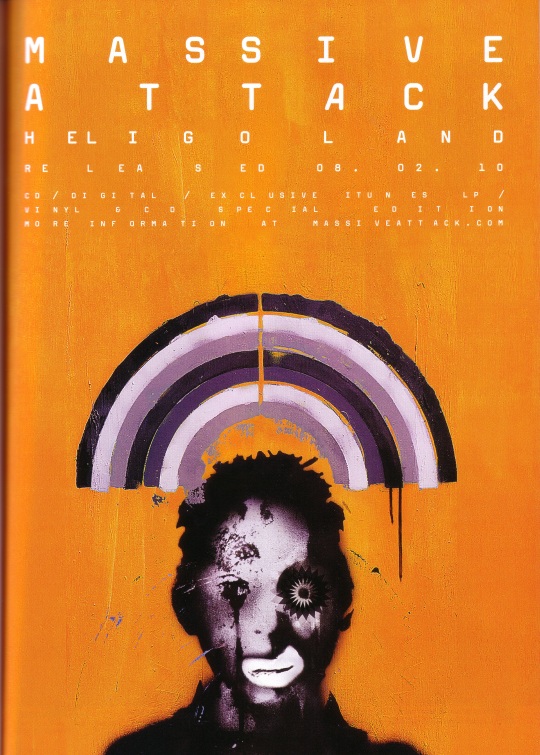
The album cover stands out - the image of the person deviates from the norm in that it's not an actual person, and that the picture appears to have been formed via a collage. This makes it quite eye catchy in the context of a magazine - which will normally be full of faces of young models.
The black-and white face (and rainbow) is also somewhat reflective of the kind of music that is on the album. Most of the songs have very simple melodies and rhythms - which an audience can simultaneously keep track of at once.
The way in which the text is laid out on the advert as well, is projecting an image that the music does not fit within the mainstream category. This means that the target audience they are looking for will be attracted to the advert, and may decide to look into the band.
Tuesday, 13 November 2012
Storyboard

We will have a bit in the beginning of the video where there is no music. The song is introduce via the hero turning on a musical device.

The second shot will have the song start playing, and have the hero singing to a hairbrush as he prepares for a night out.


The music will then cut out just before the chorus, and then the sound in the narrative will become audible to the audience. The sound of the music will get interrupted by the doorbell as the friends wait outside. Jump cuts will then be used to show the hero coming down, and opening the door.

Upon their entering in the house, the hero will the resume the chorus, singing at his friends, whilst he creeps upstairs.

It will then cut to the band, with possibly a change in scenery of where the band are, just to keep things fresh.

The hero will then return downstairs, singing at his friends once again. As he does this, it becomes blatant to the audience how the friends were not taking this well and visibly disliked this.
They then proceed to leave, whilst the hero finishes off the song. Upon it's finishing, he realises they have left and proceeds to give chase, as the video fades to black.
Thursday, 8 November 2012
Famous Album Art Analysis
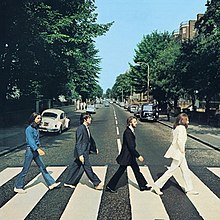
The Beatles
Abbey Road (Album)
This album is actually a very renowned one - with most people having seen this picture (or at least a homage) of it. The destination has become a popular place to visit for fans of The Beatles.
This album is commonly known to most people with countless homages and parodies having been made of it.
This image was actually taken just outside Abbey Road studio, as this was actually cheaper. In addition to it, the simplicity of the picture reflects on how their music is also simple.
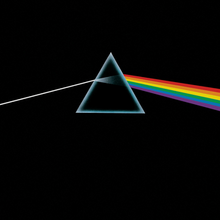
Pink Floyd
The Dark Side Of The Moon (Album)
The designer of this cover was George Hardie. The band were initially offered seven designs, but this was the one that was chosen. The rationale for this was that it represented three things:
- The stage lighting of the band
- The lyrics of the album
- The request of a Richard Wright, asking for a design which was simple yet bold
The colours continue across the gatefold (it continues to the other side of the packaging as well). This was apparently a representation of the consistent 'heartbeat' sound that was in the background of all the songs on this album.
Surveymonkey
We designed a survey to give us some advice on how we should make our music videos. For example, our question on the kind of favourite music videos people have will allow us (after analysis) to see what common things are between them. We may then choose to emulate some of the elements involved in those videos.

The link to the survey:
http://www.surveymonkey.com/s/X68PGSZ

This survey could also inform us if there are certain preferences a certain genre would have in a music video.
E.g. a listener of classical music would likely not be drawn to a scene where clubbing is involved/
http://www.surveymonkey.com/s/X68PGSZ
Wednesday, 7 November 2012
Inspiration for our music video
We have numerous inspirations for our music video - here is one of them.
We may decide to start using other (possibly inanimate) objects to represent the protagonist(s) as well.
We may decide to start using other (possibly inanimate) objects to represent the protagonist(s) as well.
Tuesday, 6 November 2012
The Colours - Brief research
The Colours consider themselves to be a Pop, Dance, and Alternative band.
They come from the United Kingdom, in Reading.

They are currently a relatively unknown group. According to their website, their last tour happened at 2010, for the purposes of promoting their single, Tonight I Let You Go, which is the song we are using in our music video.
They said about their debut album, "You can expect a showcase for all things pop coupled with electronic intonations that border on Europop and melodies akin to early Wham. "
This gives us an idea of what kind of image they are attempting to broadcast, and perhaps what elements we could use in our music videos.
They come from the United Kingdom, in Reading.

They are currently a relatively unknown group. According to their website, their last tour happened at 2010, for the purposes of promoting their single, Tonight I Let You Go, which is the song we are using in our music video.
They said about their debut album, "You can expect a showcase for all things pop coupled with electronic intonations that border on Europop and melodies akin to early Wham. "
This gives us an idea of what kind of image they are attempting to broadcast, and perhaps what elements we could use in our music videos.
Monday, 5 November 2012
Real Digipak Analysis
Taylor Swift
Fearless
Taylor Swift is a young female artist, whose main target audience is young females. Most of her songs are about love and the struggles she goes through in her life.

Swift has not been a female artist that (purposefully) uses sex appeal to attract an audience. This is because her target audience is young females, as is demonstrated by the content of her songs (mainly about love, and girl problems). The stereotypical male would not be expected to listen to this, so the album cover instead addresses the female population.
The white dress she is wearing, and the relatively pale background have connotations of purity and innocence, which is an image Swift attempts to convey.
In addition to this, her name is in a font that appears to be handwritten. This makes the album seem more heartfelt and less about just selling records, which appeals to her target audience who likely care about emotion and creativity.
The way in which her hair is also blow almost away in some way 'exposes' her, which emphasises the album title, "Fearless". As well as this it stands out and so is likely to catch the eye of a prospective consumer.

The back of the album again has the song list in a handwritten font. The way in which the handwriting is could also be interpreted as quite girly, so the listener would feel better able to relate to the music.
Her dress is again light colours, conveying purity. She is clearly attempting to keep a "good girl" image, which she is successful in via the connotations of her costume choice. The dress she is wearing is also very elegant - which has connotations of big occasions such as a prom (something girls could relate to, as the stereotype is for females to look forward to prom strongly).
As well as the colours of her dress, the shape of it (which shows off Swift's figure) is something girls could idolize. The lighting (very bright) is done in a way that makes her looks stand out (bright light tends to show attractiveness), and this also makes her digipak stand out from the shelf.
This could apply to men and not just women - her innocent image is something that stands out in the current culture in which a high majority of female artists use their sex appeal to gain a wider audience.
Sunday, 4 November 2012
Expanding Audiences and Increasing Sales
How would you go about doing it?
Firstly, information is needed. Research is required, knowing what exactly appeals to which people.
For example, an artist such as Taylor Swift would involve elements in her music videos and digipaks that would appeal to a young female audience, as this is her target audience.

An artist such as Skrillex would possibly convey a more festival/concert atmosphere in his videos and album covers.

In addition to using appealing camera, editing, and mis-en-scene elements in material, publicity must also be gained through several mediums.
For example, more and more people are using the internet as a means of searching for music videos. Music channels are also a good place to put songs out to - however only the very popular (and usually already well known) make it to the charts.
The internet is definitely a place to thrive in for a more small time artist, such us the band who's song we are currently looking at using.
However in order to address all audiences, other mediums such as newspaper adverts could be used. This would target the older generation, who are less likely to be using the internet for searching music videos.
Newspapers have done this previously - having a free copy of a CD with their newspapers. In this way they work together in order to generate more sales and publicity for both of them.
Firstly, information is needed. Research is required, knowing what exactly appeals to which people.
For example, an artist such as Taylor Swift would involve elements in her music videos and digipaks that would appeal to a young female audience, as this is her target audience.

An artist such as Skrillex would possibly convey a more festival/concert atmosphere in his videos and album covers.
In addition to using appealing camera, editing, and mis-en-scene elements in material, publicity must also be gained through several mediums.
For example, more and more people are using the internet as a means of searching for music videos. Music channels are also a good place to put songs out to - however only the very popular (and usually already well known) make it to the charts.
The internet is definitely a place to thrive in for a more small time artist, such us the band who's song we are currently looking at using.
However in order to address all audiences, other mediums such as newspaper adverts could be used. This would target the older generation, who are less likely to be using the internet for searching music videos.
Newspapers have done this previously - having a free copy of a CD with their newspapers. In this way they work together in order to generate more sales and publicity for both of them.
Saturday, 3 November 2012
The Media Institution
In order to find a director for a music video, artists generally require the use of a record label company.
The company then proceeds to send the song of to several directors (five to ten), who will then submit their treatments (note that in this part of the process, the directors are still unpaid).
The director that created the best treatment will get the job, and only then will they get paid. The others will be unpaid, and hope to get a new song soon.
Because of the way the business works, the directors can't just wait for a song that they like. They must treat the song as nothing more than business, and even if they didn't like the song they would have to put in their best creative efforts.
Thursday, 1 November 2012
Vox Pops - Prelude
Vox Populi - Latin, for "voice of the people".
Vox Pops are interviews done in public places, and they are formatted in a way that presents the public giving a spontaneous opinion, in which they have been randomly selected from a crowded people.
They are often used in the news, to present a representation of the public's opinion. Usually this will show 'balance', so that varying opinions are heard from equally.
Each person is asked the same question/set of questions, and the aim is to get a wide number of opinions.
The journalists are instructed to approach a variety of people, to make sure each background is represented as equally as possible.
Here is an example of a Vox Pops
We will be making our own Vox Pops. Stay tuned for the final results.
The task, however, will be staged.
Our questions will consist of:
Vox Pops are interviews done in public places, and they are formatted in a way that presents the public giving a spontaneous opinion, in which they have been randomly selected from a crowded people.
They are often used in the news, to present a representation of the public's opinion. Usually this will show 'balance', so that varying opinions are heard from equally.
Each person is asked the same question/set of questions, and the aim is to get a wide number of opinions.
The journalists are instructed to approach a variety of people, to make sure each background is represented as equally as possible.
Here is an example of a Vox Pops
We will be making our own Vox Pops. Stay tuned for the final results.
The task, however, will be staged.
Our questions will consist of:
- Do you watch music videos?
- What is your favourite music video?
- What do you like about music videos?
- What makes a great music video?
- Where do you watch music videos?
We are aiming to have our interviewer look at the camera as they are saying the questions, and then have our interviewees looking away from the camera (towards the interviewer, at an angle).
Wednesday, 31 October 2012
My favourite music videos, no. 3
Seven Days
Craig David
This video also contains a narrative. The story is of David recounting the strange week he had to his barber's. He had lived the same day again and again; he is stuck in this cycle of this repeating day, up until he can do everything he wants perfectly, and finally obtains a (successful) date with a girl he met on that day.
The video is split into two places - the first is David's performance in the barber shop. Because he is getting a haircut, this gives him the perfect excuse to just sing to the camera whilst staying relatively still. This means that less focus is detracted from the other half of the story. The other half is the narrative where we see the story as it is recounted to his barber(s).
Already at the beginning of the video, a number of things need to happen to keep the viewer's attention. After all, David is just walking down the street, and in an everyday, ordinary setting. There are thus little events that happen on his walk (such as a high heel breaking), the significance of which becomes more evident upon the second time which he has to relive the day.
Most of the camera shots are close ups, focusing on the little events that happen. In addition to this the clothes worn are very mundane - this allows the audience to focus on the little subtleties in the different versions of the day.
The edits are relatively fast. The only time which the edits slow down are when David is with the woman, which puts emphasis on her importance in the story. It also lets David's emotion's to be shown to the audience, and perhaps the audience would be able to relate to his plight of trying to obtain someone's number.
This video is one of my favourites because of it's unique narrative. It also has a comedic effect which will help appeal to a wider audience, as time and time again the hero is mocked by messing up his date due to one little mistake, and there appear to be more mistakes further on in the day.
Craig David
This video also contains a narrative. The story is of David recounting the strange week he had to his barber's. He had lived the same day again and again; he is stuck in this cycle of this repeating day, up until he can do everything he wants perfectly, and finally obtains a (successful) date with a girl he met on that day.
The video is split into two places - the first is David's performance in the barber shop. Because he is getting a haircut, this gives him the perfect excuse to just sing to the camera whilst staying relatively still. This means that less focus is detracted from the other half of the story. The other half is the narrative where we see the story as it is recounted to his barber(s).
Already at the beginning of the video, a number of things need to happen to keep the viewer's attention. After all, David is just walking down the street, and in an everyday, ordinary setting. There are thus little events that happen on his walk (such as a high heel breaking), the significance of which becomes more evident upon the second time which he has to relive the day.
Most of the camera shots are close ups, focusing on the little events that happen. In addition to this the clothes worn are very mundane - this allows the audience to focus on the little subtleties in the different versions of the day.
The edits are relatively fast. The only time which the edits slow down are when David is with the woman, which puts emphasis on her importance in the story. It also lets David's emotion's to be shown to the audience, and perhaps the audience would be able to relate to his plight of trying to obtain someone's number.
This video is one of my favourites because of it's unique narrative. It also has a comedic effect which will help appeal to a wider audience, as time and time again the hero is mocked by messing up his date due to one little mistake, and there appear to be more mistakes further on in the day.
Sunday, 28 October 2012
Digipak - What is it?
A digipak is a certain type of packaging, used by CDs/DVDs/BDs.
Digipaks carry discs within plastic trays, which are then placed inside a book-styled cardboard package.
 |
| Digipak example |
Components of digipaks (in relation the the music industry) include:
- A list of songs on the disc
- A small booklet, which could hold a variety of information, which can be about:
- The artist
- Song lyrics
- Photos of the band/artist
- Other albums and songs
- A relevant picture, which is the component we will be focusing on
The picture on the digipak serves a variety of purposes.
It may be something of a signature, so that it becomes quickly associated with the artist. It may also attract a wider audience, depending on what is on the picture.
Key Music Video Conventions
There are numerous characteristics that are key to making a music video. There are also different archetypes of components to a music video.
Usually, there will be at least a few shots of the artist performing. This will be them lip syncing, possibly dancing as well with perhaps some backup dancers. They may also be with a band. This is demonstrated in video's such as Sinead O' Connor's video, Nothing Compares 2 U:
In fact, majority of the video is a close up of her face. At a certain point, she also starts crying (out of genuine sadness), which adds to the video.
Artists may also add a narrative within the story. Sometimes, stories within the music videos can make it more memorable. This is especially effective in reaching a wider, more visual audiences. A good example of this is Michael Jackson's Thriller:
The song, being about spooky and ghostly things, has a narrative which is somewhat horror-themed. The combination of this unique story, as well as the performances given by the backup dancers (in their zombie costumes, etc), make this video a unique one.
There are also a multitude of techniques used in films that are also used in music videos.
Camera techniques are an important part of the music video.
A typical convention of music videos are extreme close ups of the artists' face. There are also long shots of dancers or the band.
Medium shots are usually used when there is an item of some sort, which generates a connotation that relates to the song.
Editing in music videos tends to be quick. This is to keep the interest of the viewer. If edits take too long it feels awkward to stare at the singer, especially if they are emotionless.
Long edits in music videos would tend to be for slow paced songs that focus on emotion. This is because it helps the viewer focus on the artists' feelings, and help the music be felt more. This conveys the emotion better.
Usually, there will be at least a few shots of the artist performing. This will be them lip syncing, possibly dancing as well with perhaps some backup dancers. They may also be with a band. This is demonstrated in video's such as Sinead O' Connor's video, Nothing Compares 2 U:
In fact, majority of the video is a close up of her face. At a certain point, she also starts crying (out of genuine sadness), which adds to the video.
Artists may also add a narrative within the story. Sometimes, stories within the music videos can make it more memorable. This is especially effective in reaching a wider, more visual audiences. A good example of this is Michael Jackson's Thriller:
The song, being about spooky and ghostly things, has a narrative which is somewhat horror-themed. The combination of this unique story, as well as the performances given by the backup dancers (in their zombie costumes, etc), make this video a unique one.
There are also a multitude of techniques used in films that are also used in music videos.
Camera techniques are an important part of the music video.
A typical convention of music videos are extreme close ups of the artists' face. There are also long shots of dancers or the band.
Medium shots are usually used when there is an item of some sort, which generates a connotation that relates to the song.
Editing in music videos tends to be quick. This is to keep the interest of the viewer. If edits take too long it feels awkward to stare at the singer, especially if they are emotionless.
Long edits in music videos would tend to be for slow paced songs that focus on emotion. This is because it helps the viewer focus on the artists' feelings, and help the music be felt more. This conveys the emotion better.
Saturday, 27 October 2012
Preliminary Task - What we learned
Doing the preliminary task very much made clearer some concepts that we should apply to the making of music videos, and why those concepts should be applied.
Firstly, we learned that the music video is better when the performer really tries to empathise with the emotion demonstrated by the song. For example, an upbeat song (such as "Don't go breaking my heart") would have a lot of dancing in it, because it flows with the music. A more melancholy tune would require more extreme close ups, and perhaps a more solemn look from the performer.
Attempting to find places to film also stressed the fact that our budget is limited. Our music video will thus have to be heavily based around the limitations we have. For example, if the school is where we'd be filming (for practical reasons), we may make the narrative of the music video in such a way that it relates to the school.
We also realize that we will have to be careful in selecting the style in which our shots will be done, i.e. we cannot have just 4 shots of dancing and no extreme close ups.
Friday, 26 October 2012
OB Management
OB Management could be described as "middlemen" for directors of music videos, and the artists which have made the songs.

It works by having a multitude of artists send in their songs (looking for directors to make their music videos), and then they will find several directors which they think may be suitable for the song.
It works by having a multitude of artists send in their songs (looking for directors to make their music videos), and then they will find several directors which they think may be suitable for the song.
Tuesday, 23 October 2012
My favourite music videos, no.2
You Belong With Me
Taylor Swift
The video follows the narrative of the song. It shows an archetypal geeky girl, who appears to possess and unrequited love for the man of her dreams, despite that she thinks they are perfect for each other.
There is a somewhat comedic effect as Swift plays both the hero and the antagonist. Each is distinguishable via the colour of her hair and the amount of make up she has on. The antagonist is portrayed as having darker, brown hair (the dark shade having connotations of meanness). The hero is portrayed as having a light shade of blonde (which has connotations of innocence and purity), as well as having glasses. Both these costumes adhere to the stereotype of geeky girls who are innocent and naive, and of popular cheerleaders as being somewhat difficult people to be around.
Medium shots are used when the hero and her love communicate using paper and felt tip pens. I think that they communicated in this manner to carry on Swift's image of innocence - normal means of communication (such as texting or talking) would also have been to mundane for the viewer.
The edits in the beginning of the song are fast, which I believe reflects on the stress she feels from her unrequited love. However at the happy ending they noticeably slow down. The audience thus is able to focus more on the feelings and the happy ending, and so the target audience (young, teenage girls) will find it easier to relate, and in turn have a stronger liking for the video.
This video in particular stands out to me because it very much appeals to it's target audience. It also finds a way to address a wider audience with some of the comedic touches it uses - for example the exaggeration of the hero's geekiness, expressed through terrible dancing and the clothes she wore.
Monday, 22 October 2012
Preliminary Task - What is it?
For our preliminary task we are required to lipsync to Don't Go Breaking My Heart:
Needless to say we will have two people lipsyncing, as it's a duet. We've opted to use Dale and Luke Van Gelder for this task, as they seem most into it.
The rest of us will be cracking on with the editing, and the directing of the video.
Here are the lyrics to be lipsyncing to (We won't be lipsyncing all of it though, because we just require approximately a minute and a half):
Needless to say we will have two people lipsyncing, as it's a duet. We've opted to use Dale and Luke Van Gelder for this task, as they seem most into it.
The rest of us will be cracking on with the editing, and the directing of the video.
Here are the lyrics to be lipsyncing to (We won't be lipsyncing all of it though, because we just require approximately a minute and a half):
Don't go breaking my heart
I couldn't if I tried
Honey if I get restless
Baby you're not that kind
I couldn't if I tried
Honey if I get restless
Baby you're not that kind
Don't go breaking my heart
You take the weight off me
Honey when you knocked on my door
I gave you my key
You take the weight off me
Honey when you knocked on my door
I gave you my key
Nobody knows it
When I was down
I was your clown
Nobody knows it
Right from the start
I gave you my heart
I gave you my heart
When I was down
I was your clown
Nobody knows it
Right from the start
I gave you my heart
I gave you my heart
So don't go breaking my heart
I won't go breaking your heart
Don't go breaking my heart
I won't go breaking your heart
Don't go breaking my heart
And nobody told us
'Cause nobody showed us
And now it's up to us babe
I think we can make it
'Cause nobody showed us
And now it's up to us babe
I think we can make it
So don't misunderstand me
You put the light in my life
You put the sparks to the flame
I've got your heart in my sights
You put the light in my life
You put the sparks to the flame
I've got your heart in my sights
Sunday, 21 October 2012
The process of making a music video
Firstly, there is the initial brain storming of ideas:
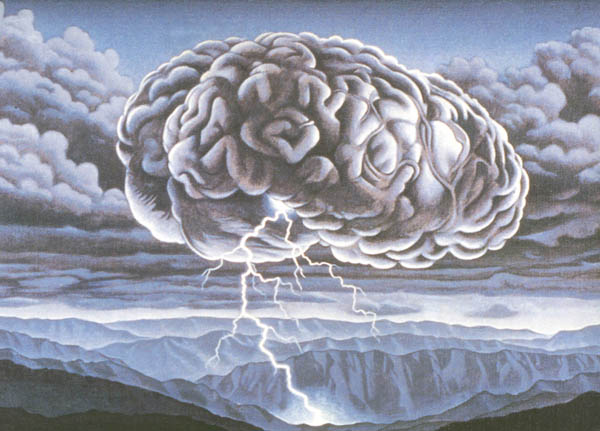
Ideas must be selected from the song, and they must be adapted to the limitations such as budget and available locations.
This is a harder process than it seems; some places will require filming permits to film in them, and for a (essentially no budget) music video such as what we will be making, we don't have much choice in location. We may in fact have to use simple places such as the school. someone's house, or a park. Factors such as the weather and other people must be taken into consideration as well if filming in public.
Costumes and props must also be obtained, if necessary. Again due to our low budget it's likely most of our props will have to be household items, and clothes which we already own. It's conveniently nearing Halloween so we should be able to kill two birds with one stone, by getting our costumes for Halloween parties and making our costumes somehow relate to our song.
Then of course there is the actual performance. We are at the moment unsure of who will be in it, although the likely candidate seems to be Luke Van Gelder.
Ideas must be selected from the song, and they must be adapted to the limitations such as budget and available locations.
This is a harder process than it seems; some places will require filming permits to film in them, and for a (essentially no budget) music video such as what we will be making, we don't have much choice in location. We may in fact have to use simple places such as the school. someone's house, or a park. Factors such as the weather and other people must be taken into consideration as well if filming in public.
 |
| Central Park, a potential place to film in |
Costumes and props must also be obtained, if necessary. Again due to our low budget it's likely most of our props will have to be household items, and clothes which we already own. It's conveniently nearing Halloween so we should be able to kill two birds with one stone, by getting our costumes for Halloween parties and making our costumes somehow relate to our song.
Then of course there is the actual performance. We are at the moment unsure of who will be in it, although the likely candidate seems to be Luke Van Gelder.
Emil Nava case study
Emil Nava; Director
Nava's start in the industry was as a runner for film production companies. The runners were nicknamed "gophers", as they'd "go for" anything e.g. doing simple tasks for little to no pay in order to get a foot in the industry door.

The first company he worked for was Blink Productions. After this he started freelancing for OB Management.
He graduated as assistant director where he'd manage the video stools.
Then he signed to Academy, which was the biggest music video production company. However he left for Between The Eyes, and now Pulse.
He had also managed to make 24 music videos within the space of one year (almost one every two weeks). This was when he first started making music videos for indie music. He had to work with very small budgets of £5k-£10k.
He has now began to make adverts - the budgets for them are bigger than in music videos, however there is less room for creativity. One of his relatively recent adverts is L'Oreal's "Dare to be different" advert:
His most expensive music video has been for Jessie J's "Do It Like A Dude", which cost £160,000 to make.
Nava's own tips to creating music videos are:
Nava's start in the industry was as a runner for film production companies. The runners were nicknamed "gophers", as they'd "go for" anything e.g. doing simple tasks for little to no pay in order to get a foot in the industry door.
The first company he worked for was Blink Productions. After this he started freelancing for OB Management.
He graduated as assistant director where he'd manage the video stools.
Then he signed to Academy, which was the biggest music video production company. However he left for Between The Eyes, and now Pulse.
He had also managed to make 24 music videos within the space of one year (almost one every two weeks). This was when he first started making music videos for indie music. He had to work with very small budgets of £5k-£10k.
He has now began to make adverts - the budgets for them are bigger than in music videos, however there is less room for creativity. One of his relatively recent adverts is L'Oreal's "Dare to be different" advert:
His most expensive music video has been for Jessie J's "Do It Like A Dude", which cost £160,000 to make.
Nava's own tips to creating music videos are:
- Use extreme close ups wherever possible
- Do NOT shoot the whole video in medium/long shots
He demonstrates these tips in some of his videos, e.g. Rita Ora's RIP:
Jamie Thraves case study
 |
| Jamie Thraves |
Jamie Thraves; Director
He first made his humble start with the creation of short films at university. Two of his early films, Scratch (1991) and The Take Out (1993) won a number of awards at short film festivals all over the globe.
In 1993, he went to the Royal College Of Art, where he created another film, The Hackney Downs (1994), winning more awards.
His real breakthrough into the public spotlight came was after he left RCA to join Oil Factory, where he made the video to Radiohead's song "Just".
Even several years later, there is still discussion about what the fallen man said at the end of the video, which caused everyone to follow suit. Radiohead have yet to reveal what was said, although it looks as if they won't.
The video had a budget of £100,000 and was shot in the space of 3 days.
Another video of his which is renowned is Coldplay's "The Scientist", which had a budget of £200,000 and was also shot in three days.
Some of the tips Jamie has shared in making music videos are to:
- Use the lyrics, but not be too literal
- Go with the emotion
Monday, 15 October 2012
Copyright - what is it?
Copyright is a concept enforced by the government, which entitles the original creator of a piece of work to exclusive rights to it.
This means that they have a legal say in how their creation is used, whether it can be reproduced, etc.
Thus they would have to be approached if a person wanted to use their work.
Generally though the artists wouldn't mind if it was for non profit.
This applies to us in that we had to obtain permission from the relevant artists when choosing the song to use in our music video.
This means that they have a legal say in how their creation is used, whether it can be reproduced, etc.
Thus they would have to be approached if a person wanted to use their work.
Generally though the artists wouldn't mind if it was for non profit.
This applies to us in that we had to obtain permission from the relevant artists when choosing the song to use in our music video.
Sunday, 14 October 2012
100 Greatest Music Videos - Unique videos in the list
#11 in the list
The Scientist
Coldplay
Director: Jamie Thraves
What makes this video stand out from the myriad of others is the fact that the video is backwards ..but the singer (Christ Martin) is singing the correct way throughout.
This was not done via any sort of special effects, Martin had to learn to lipsync the words backwards.
The director claimed he got the idea for the video from just one line in the song, "Let's take it back to the start".
#10 in the list
Smells Like Teen Spirit
Nirvana
Director: Samuel Bayer
Cobain wanted the video modelled on a movie, "Over the Edge", in which children burn a school down.
However the director, Samuel Bayer, had different ideas. The band and the director did not get on together, and Bayer believes this contributed to the performance given by the band.
At a certain point, the extras performing in the video grew tired and started destroying the set, which was not planned to be part of the video. However upon reviewing Bayer thought it would make an improvement.
This was the song/video that boosted their career and made them renowned.
#1 in the list
Thriller
Michael Jackson
Director: John Landis
At the time of the video's making, it was the most expensive one made so far, costing $700,000. It also spans 15 minutes in length, and it tells a story before getting to the music.
The video's success was such that it actually made the news. TV channels would clear their schedules just to show the video, and the documentary showing the making of the video.
Subscribe to:
Posts (Atom)